Working across research, data, and scientific decision-making — from understanding complex problems to helping ideas, projects, and people move forward.
Get in touch
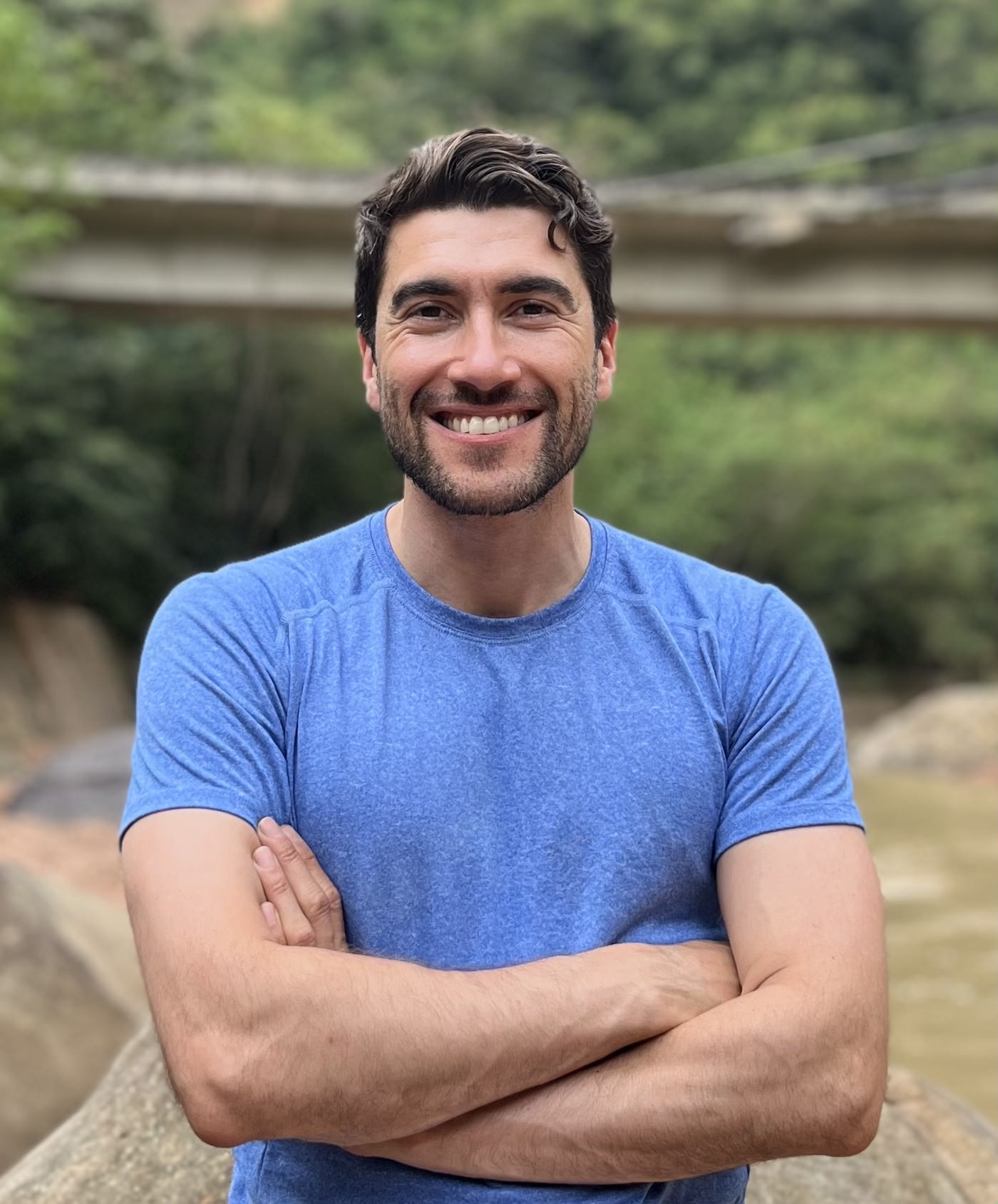
I'm a researcher at the University of Copenhagen with a background in geochemistry, sedimentology and Earth history. My research uses geochemical data to understand how oceans, climate and biogeochemical cycles have responded to major environmental change through Earth's history.
My work moves between field and office, between raw data and public talks, between writing grants and writing for general audiences. I've led international field campaigns, built quantitative data workflows, managed NSF-funded projects across four countries, and published both in peer-reviewed journals and popular science outlets. I'm a Fulbright alumnus and currently serve on the Board of Directors of the Geochemical Society.
These days, I'm increasingly interested in what happens around science as much as within it: how good ideas are identified, funded, developed, evaluated and ultimately translated into impact. I'm particularly drawn to roles at the intersection of research funding, scientific programme development, data and decision-making, where I can combine my scientific background with the parts of my work I enjoy most — solving problems, working with people and helping good ideas move forward.
→ Open to new opportunities in Copenhagen
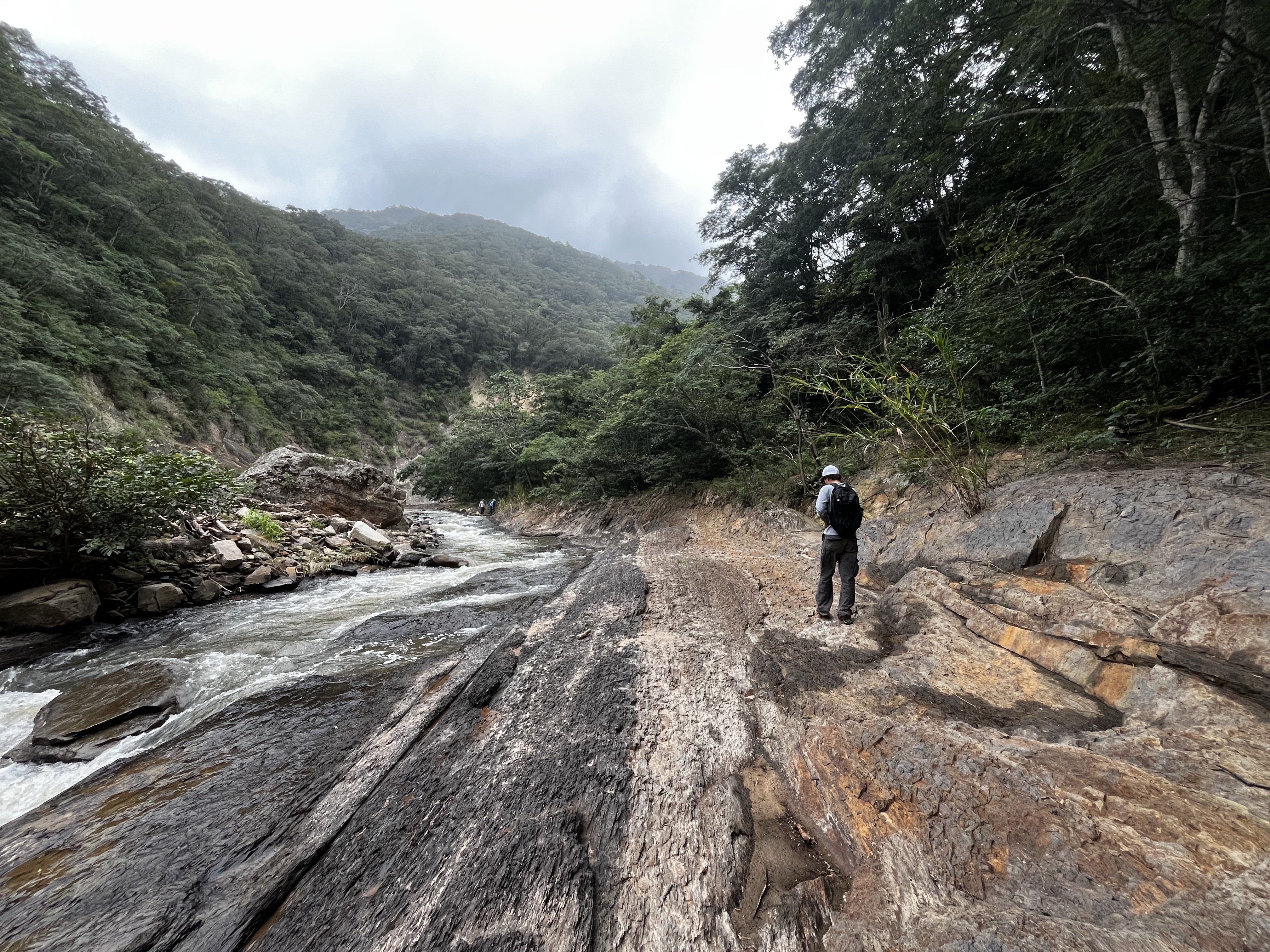
From the Late Devonian mass extinctions to Mesozoic Oceanic Anoxic Events, this research investigates how large-scale disruptions to Earth's carbon cycle, driven by volcanism, land plant evolution, and ocean circulation changes, cascade into environmental collapse and biodiversity loss. These ancient crises serve as natural experiments for understanding how Earth systems respond to rapid perturbation, with direct relevance to present-day climate change.
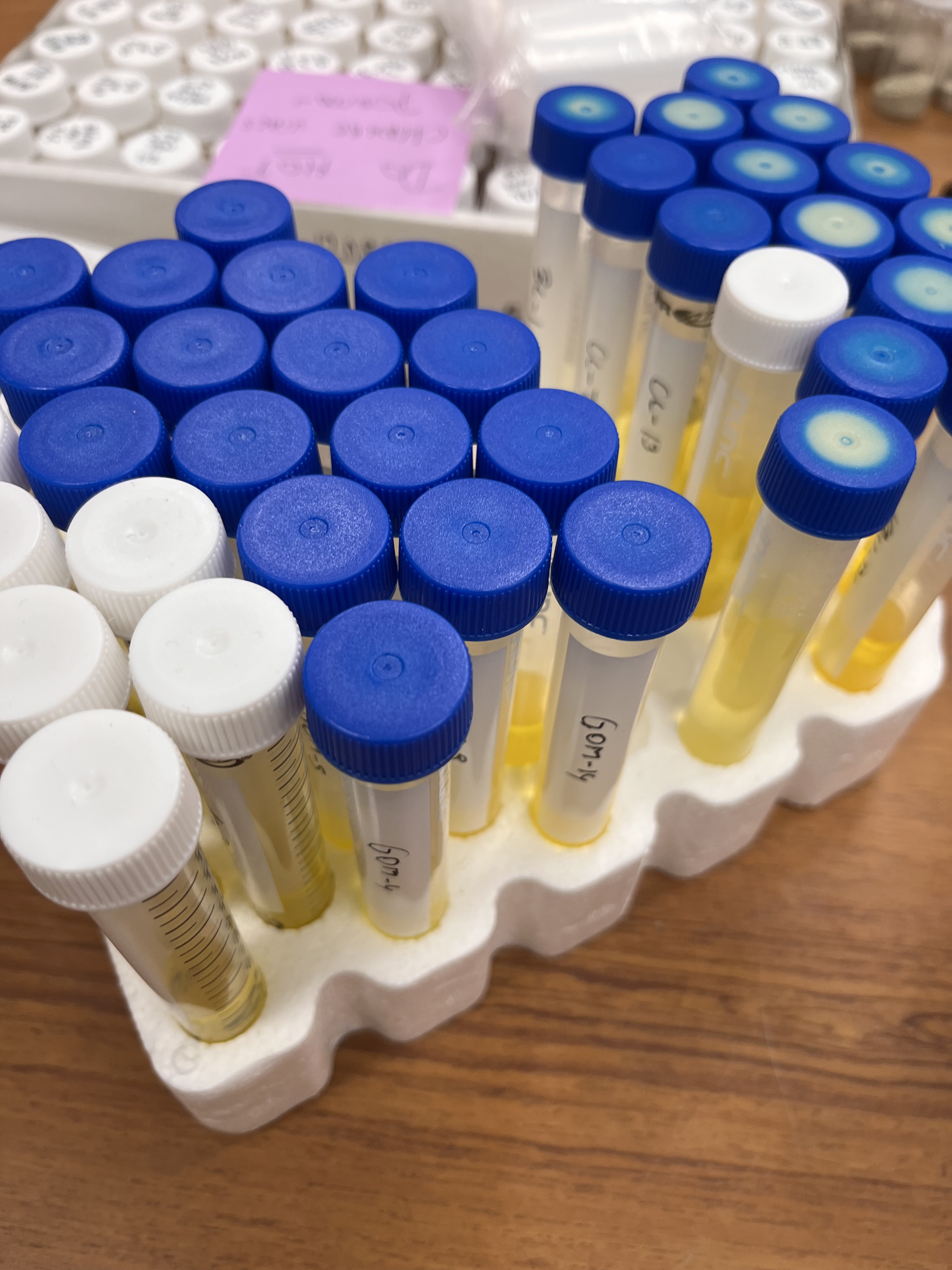
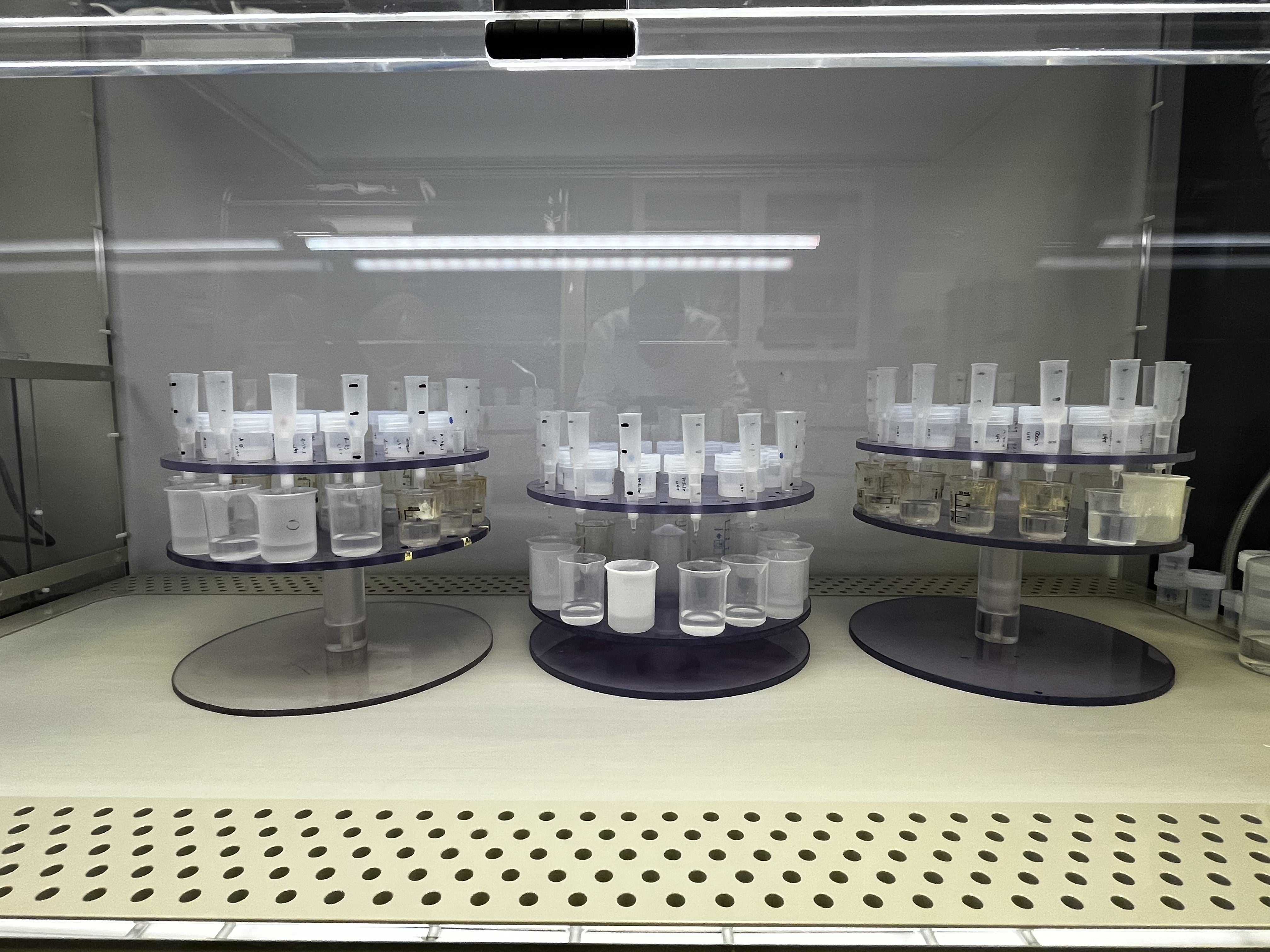
Uranium isotopes are a powerful tool for reconstructing ancient ocean oxygen levels, but diagenetic alteration can obscure the original seawater signal. At the University of Copenhagen, I work with a novel anaerobic separation technique that isolates U(VI) from carbonate samples, providing cleaner records of seawater composition. I apply this approach to reconstruct marine anoxia across major climate and environmental crises in Earth’s history.
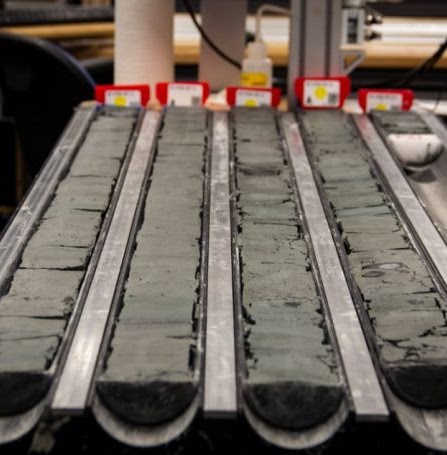
Reconstructing past salinity is essential for understanding ancient ocean circulation, watermass properties, and the hydrological cycle. I develop and calibrate elemental proxies, including B/Ga and related ratios, in modern and near-modern sedimentary environments, then apply them to deep-time records. This work bridges modern oceanographic observations with the geological past, providing quantitative constraints on how Earth's water cycle has evolved across major climate transitions.
The global ocean is absorbing most of the heat and CO2 from human-induced warming, but how this will affect long-term circulation remains uncertain. This project uses the warm Pliocene as a natural analogue for future climate, testing whether a Pacific Meridional Overturning Circulation existed during that interval. Working alongside climate modelers, geochemists, and astrochronologists, I reconstruct ocean ventilation, nutrient availability, and water mass mixing using redox and productivity proxies. If a Pliocene PMOC is confirmed, it would require substantial revision of our models for future ocean-climate feedbacks.
Open to opportunities across research funding, scientific programme development, data-driven research, and science policy in Copenhagen. Always happy to connect.